



How to Choose the Right Fabric for Every Outfit
Choosing the right fabric is one of the most important decisions in fashion. The fabric you select determines how an outfit will look, feel, and perform. Even the most beautiful design can look poor if the wrong fabric is used, while the right fabric can make a simple design look elegant and stylish.
Understanding fabrics helps customers make better fashion choices and helps designers create garments that are comfortable, durable, and visually appealing.
This guide explains how to choose the right fabric for every outfit, whether for everyday wear, special occasions, or professional clothing.
1. Consider the Purpose of the Outfit
The first step in choosing fabric is understanding where and how the outfit will be worn. Different occasions require different types of fabrics.
For example:
Casual Wear
- Cotton
- Linen
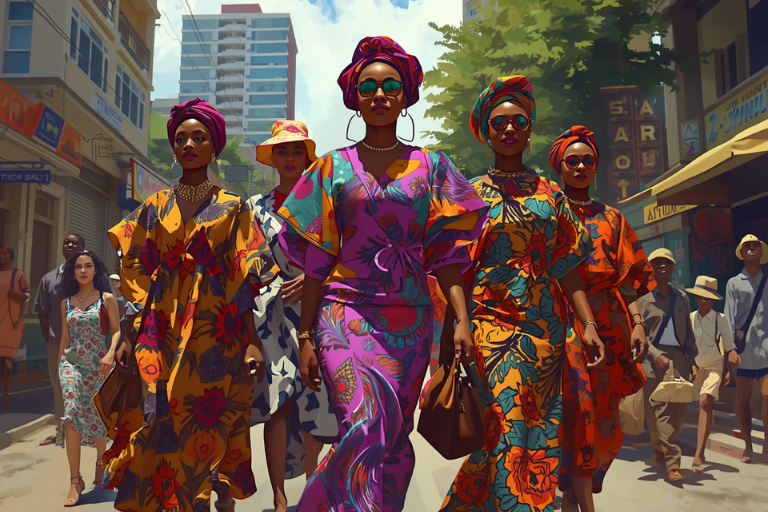
- Ankara
- Lightweight denim
These fabrics are comfortable, breathable, and suitable for everyday activities.
Corporate Wear
- Wool blends
- Crepe
- Quality cotton
- Suit fabrics
These fabrics provide structure and a professional appearance.
Special Occasions
- Lace
- Aso-oke
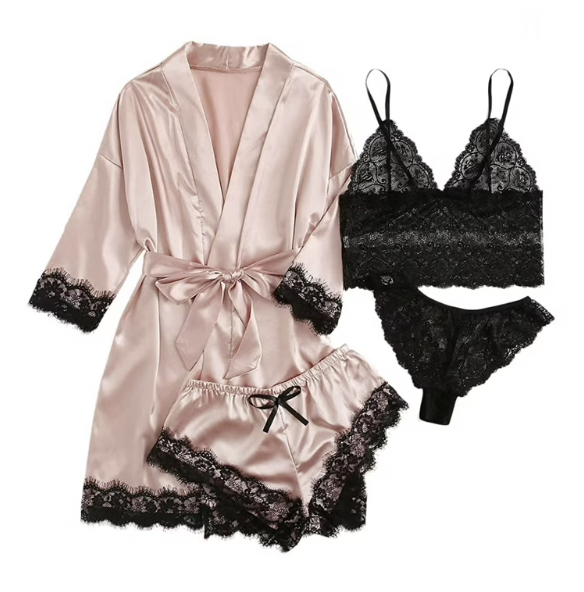
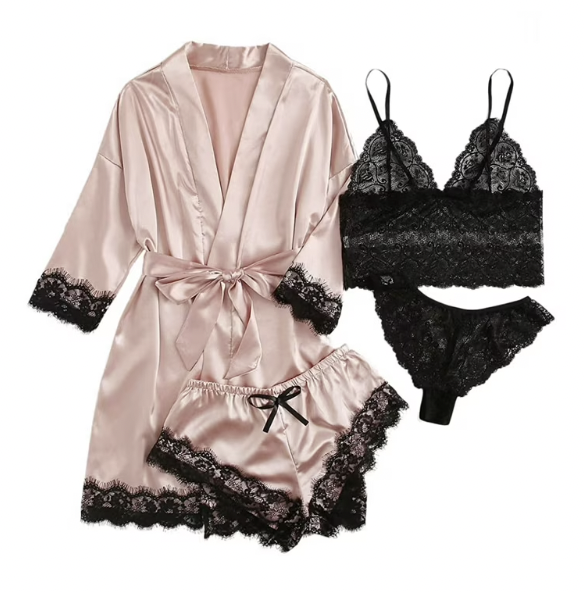
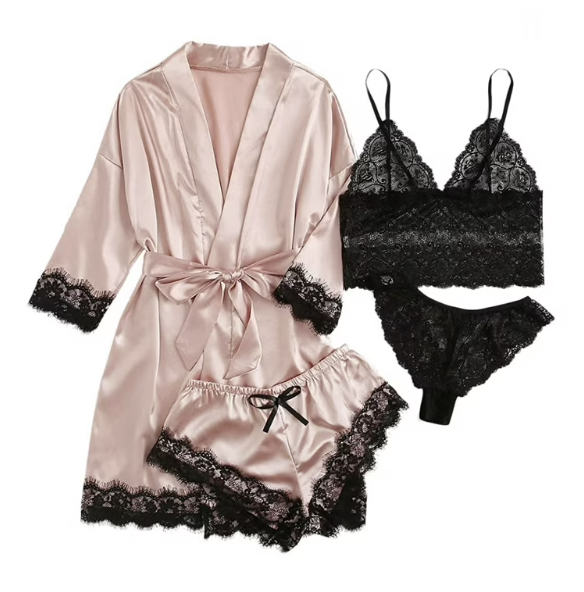
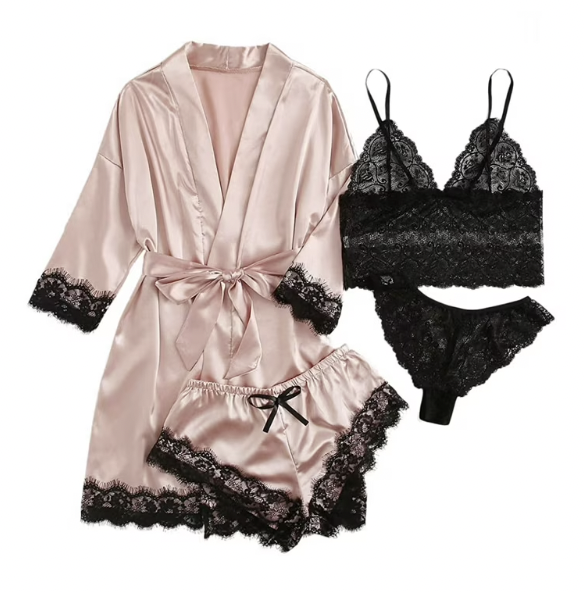
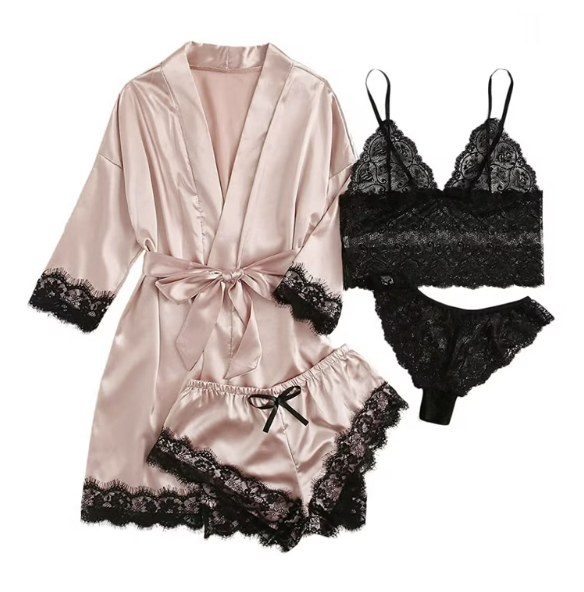
- Silk
- Velvet
These fabrics create elegant and luxurious outfits suitable for weddings, parties, and ceremonies.
Choosing fabric based on the purpose ensures the outfit looks appropriate for the occasion.
2. Consider the Weather and Climate
Nigeria has a warm tropical climate, so fabric choice must prioritize comfort.
Best Fabrics for Hot Weather
- Cotton
- Linen
- Adire
- Light Ankara
These fabrics allow air circulation and help keep the body cool.
Fabrics for Cooler Weather or Evening Events
- Velvet
- Wool blends
- Thick lace
- Heavy brocade
These fabrics provide warmth and structure.
Selecting fabric based on climate helps avoid discomfort during long events or daily activities.
3. Pay Attention to Fabric Weight
Fabric weight affects how a garment falls on the body.
Lightweight Fabrics
Examples include chiffon, cotton, and silk.
Best for:
- Flowing gowns
- Summer dresses
- Blouses
- Casual outfits
Medium-Weight Fabrics
Examples include Ankara, crepe, and satin.
Best for:
- Dresses
- Skirts
- Corporate outfits
- Native wear
Heavyweight Fabrics
Examples include Aso-oke, velvet, and brocade.
Best for:
- Agbada
- Wedding attire
- Structured garments
- Formal outfits
The weight of the fabric determines the structure and elegance of the outfit.
4. Check the Fabric Texture
Fabric texture affects both appearance and comfort.
Smooth Fabrics
Examples:
- Silk
- Satin
- Crepe
These fabrics create elegant and polished looks.
Textured Fabrics
Examples:
- Lace
- Aso-oke
- Brocade
These fabrics add richness and depth to garments.
The texture should match the design style of the outfit.
5. Consider Fabric Durability
Durability is especially important for garments worn frequently.
Strong fabrics include:
- Denim
- Cotton blends
- Quality Ankara
- Wool blends
These fabrics last longer and maintain their appearance even after many washes.
Delicate fabrics like chiffon and silk require more careful handling.
6. Understand Fabric Stretch and Flexibility
Some garments require stretch for comfort and movement.
Stretch Fabrics
Examples:
- Lycra
- Spandex blends
- Stretch cotton
These are suitable for:
- Body-fitted dresses
- Sportswear
- Modern fashion designs
Non-Stretch Fabrics
Examples:
- Ankara
- Aso-oke
- Lace
These fabrics require precise measurements and proper tailoring.
Choosing the correct stretch level ensures comfort and proper fit.
7. Evaluate Fabric Color and Pattern
Color and pattern can greatly influence the overall look of an outfit.
Bold Patterns
Examples:
- Ankara prints
- Adire patterns
These are ideal for statement pieces.
Solid Colors
Examples:
- Black
- Cream
- Navy blue
These are excellent for corporate and formal wear.
The right color should complement the occasion, design, and the wearer’s skin tone.
8. Consider Maintenance and Care
Some fabrics require more maintenance than others.
- Easy-to-Maintain Fabrics
- Cotton
- Ankara
- Polyester blends
These fabrics are easy to wash and maintain.
High-Maintenance Fabrics
- Silk
- Velvet
- Delicate lace
These fabrics may require dry cleaning or special care.
Understanding fabric care requirements helps ensure garments last longer.
9. Seek Professional Guidance
Choosing fabric can sometimes be confusing because many fabrics look similar but behave differently when sewn.
Professional fashion houses can help clients select fabrics that match their design and body type.
At Ebi Bellas Fashion Place LTD, we guide our clients through the fabric selection process to ensure every outfit is made with the right material, proper structure, and excellent finishing.
Final Thoughts
Fabric selection plays a major role in the success of any outfit. The right fabric enhances comfort, beauty, durability, and style.
When choosing fabric, always consider:
- The purpose of the outfit
- The weather and climate
- Fabric weight and texture
- Durability and stretch
- Color and pattern
- Maintenance requirements
With the right fabric choice, every garment can become a perfect blend of style, comfort, and quality.